Matthew Chapter Summaries
A complete, chapter-by-chapter guide to the Book of Matthew. Read deep dives into the meaning, historical context, and modern application of every chapter.
Welcome to our complete guide to the Book of Matthew. Below you will find a chapter-by-chapter summary that flows through the entire narrative, helping you understand the context, meaning, and application of this profound book.
Matthew Chapter 1 Summary
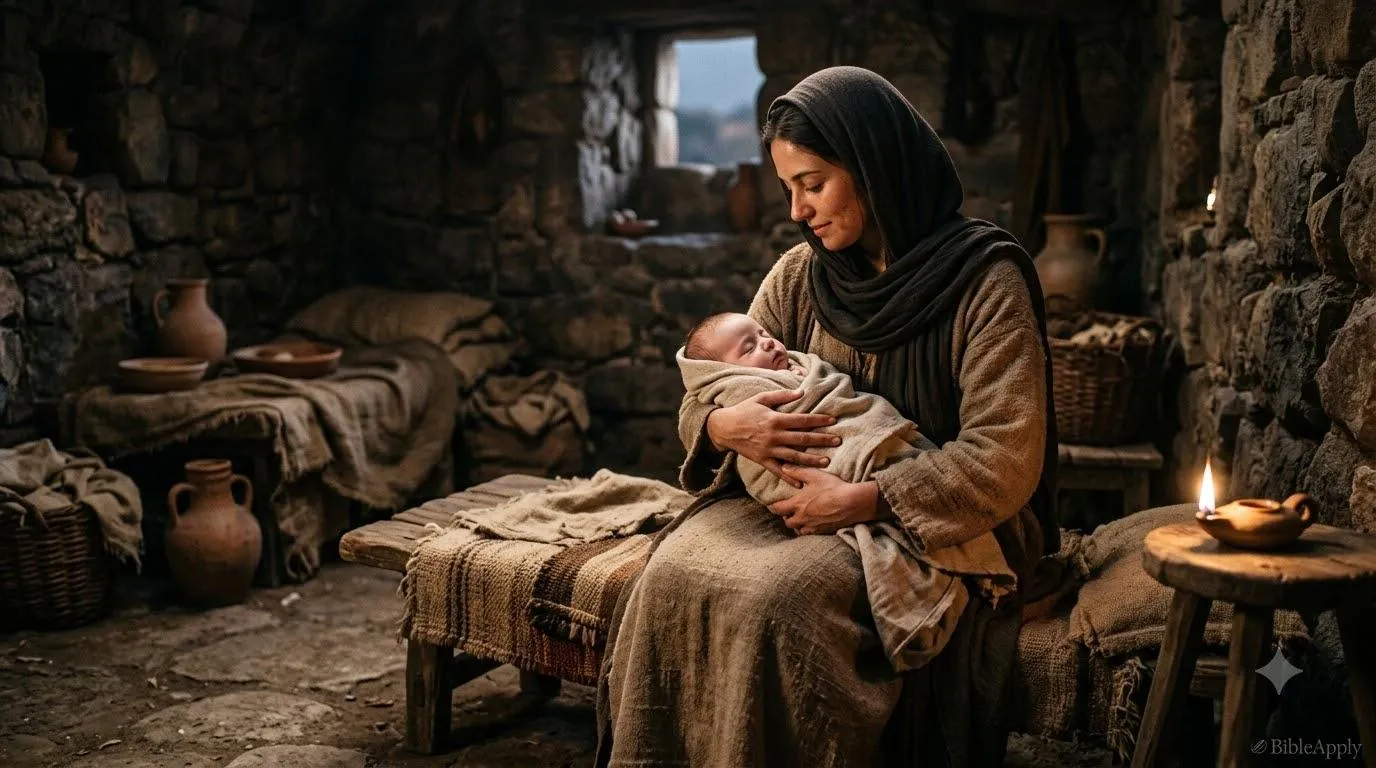
The Gospel of Matthew was written primarily to a first-century Jewish audience, serving as a critical and magnificent bridge between the Old and New Testaments. While the Old Testament closes with the prophecy of a coming messenger in Malachi, it is followed by the “Silent Years”—four hundred years where there was no prophetic voice, no inspired writing, and seemingly no movement from heaven. Israel suffered under the heavy hands of successive empires: the Persians, the Greeks, and finally, the brutal iron grip of Rome. The air in Judea was thick with messianic expectation and desperate hope. Matthew opens his Gospel not with a quiet whisper, but with a resounding trumpet blast: the long-awaited King has finally arrived, and the silence of God is broken forever.
The author, Levi (Matthew), a former tax collector whose life was radically transformed by the grace of Christ, meticulously constructs his Gospel to prove one central thesis: Jesus of Nazareth is the prophesied Messiah, the rightful heir to the throne of David, and the ultimate fulfillment of the Abrahamic Covenant. He is writing to an audience that knew the Scriptures intimately, and therefore, he structures his narrative around the fulfillment of ancient promises.
Chapter 1 sets the stage for the entire Gospel by answering the most fundamental question a Jewish reader would demand: Does this man, Jesus, have the legal and prophetic right to claim the title of Messiah? To answer this, Matthew does not begin with extraordinary miracles, sweeping ethical teachings like the Sermon on the Mount, or cosmic apocalyptic visions. Instead, he begins with a legal document—a genealogy. In the ancient Near East, a person’s lineage was their identity, their resume, their legal standing, and their claim to inheritance. By establishing Christ’s royal pedigree and then moving immediately into the supernatural nature of His birth, Matthew provides a dual, unshakeable witness to Jesus’ identity: He is fully man, descended from the line of David, and fully God, conceived by the Holy Spirit.
This foundational chapter establishes the tension, the scandal, and the triumph of the Gospel. It shows us a sovereign God who works through the messy, broken, and often sinful lineage of humanity to bring about salvation, and a God who astonishingly steps into human history as Immanuel—God with us.
The Royal Genealogy of the Messiah (Matthew 1:1-17)
Matthew begins with a title wave of historical and theological claims in his opening sentence.
“The book of the generation of Jesus Christ, the son of David, the son of Abraham.” (Matthew 1:1, KJV)
In Greek, the phrase “The book of the generation” is biblos geneseos. This is not a coincidence; it deliberately echoes the Septuagint’s (the Greek translation of the Old Testament) translation of Genesis 2:4 (“the generations of the heavens and the earth”) and Genesis 5:1 (“the book of the generations of Adam”). Matthew is signaling a profound theological truth: in Jesus Christ, a new genesis, a new creation, is beginning. The old creation was marred by the sin of the first Adam; the new creation is initiated by the righteousness of the Second Adam, Jesus Christ.
The designation “son of David” immediately highlights Jesus’ royal claim to the throne of Israel, fulfilling the Davidic Covenant of 2 Samuel 7, where God promised David that his throne would be established forever. The title “son of Abraham” connects Jesus to the Abrahamic Covenant of Genesis 12:3, promising that through Abraham’s seed, all the nations of the earth would be blessed. Jesus is the pinpoint where all the vast promises of the Old Testament converge.
The Structure of the Genealogy: The Sovereignty of God in History
Matthew intentionally structures his genealogy into three distinct sets of fourteen generations: from Abraham to David, from David to the Babylonian exile, and from the exile to Christ.
Believers seeking more clarity will appreciate our full study on Jeremiah 29:11 Meaning: For I Know the Plans I Have for You.
- Abraham to David (The Rise): The period of national formation, the Exodus, the conquest of the Promised Land, and the rise of the glorious monarchy.
- David to the Exile (The Decline): The period of monarchy marked by idolatry, rebellion, divided kingdoms, and ultimately, the devastating judgment of the Babylonian captivity.
- The Exile to Christ (The Wait): The period of restoration, anticipation, and agonizing waiting for the restoration of the throne of David under the oppression of foreign powers.
The number fourteen here is highly symbolic. In Hebrew gematria (where letters have numerical values), the consonants of the name “David” (Dalet-Vav-Dalet or D-V-D) add up to fourteen (4 + 6 + 4 = 14). Matthew is heavily emphasizing the “David-ness” of Jesus at every turn. He is the ultimate, prophesied Davidic King. This structured history proves that despite human rebellion and the rise and fall of empires, God’s sovereign plan of redemption was marching forward on an exact, predetermined schedule.
The Scandal of Grace: The Women in the Lineage
One of the most striking, almost shocking, features of Matthew’s genealogy is the inclusion of women. In patriarchal Jewish genealogies, women were rarely mentioned unless there was a specific legal necessity. Yet, Matthew deliberately highlights five women: Tamar, Rahab, Ruth, the wife of Uriah (Bathsheba), and Mary.
Why include these specific women? Excluding Mary, the first four share a common, scandalous thread: they were either Gentiles, associated with sexual sin, or both.
- Tamar played the role of a prostitute to deceive and bear a child by her father-in-law, Judah (Genesis 38).
- Rahab was an actual Canaanite prostitute in the pagan city of Jericho (Joshua 2).
- Ruth was a Moabitess, a nation originating from incest (Lot and his daughters) and explicitly cursed by the Law from entering the assembly of the Lord (Deuteronomy 23:3).
- Bathsheba (discreetly referred to as “her that had been the wife of Urias”) was involved in adultery with King David, a sin that led to a cover-up and the murder of her righteous husband.
Their inclusion is a masterclass in the theological concept of charis (grace) and the Hebrew concept of hesed (steadfast, covenant-keeping love). The genealogy screams that God’s plan of redemption was not hindered by human sin; rather, it actively redeems the broken, the outcast, and the morally bankrupt.
Furthermore, by including Gentiles, Matthew is planting the seeds for the Great Commission at the very end of his Gospel (Matthew 28:19). Salvation is not merely a tribal rescue mission for ethnic Jews; it is for all nations. These four women prepare the reader’s heart for the ultimate miracle—the inclusion of a young Jewish virgin, Mary, whose pregnancy would initially appear deeply scandalous to the community, but was actually the most profound work of the Holy Spirit in human history.
The Virgin Birth and the Incarnation (Matthew 1:18-25)
After meticulously establishing Jesus’ legal right to the throne through His adoptive father Joseph, Matthew turns his attention to Christ’s divine origin. The legal pedigree is not enough; the Messiah must be more than just a man.
Also Read:
“Now the birth of Jesus Christ was on this wise: When as his mother Mary was espoused to Joseph, before they came together, she was found with child of the Holy Ghost.” (Matthew 1:18, KJV)
The Cultural Crisis of Betrothal
To understand the weight of this passage, one must understand first-century Judean marriage customs, which consisted of two distinct stages: betrothal (kiddushin) and the marriage feast (nisuin). Betrothal was far more legally binding than a modern engagement. The couple were legally considered husband and wife, and a betrothal could only be broken by a formal, legal divorce. However, living together and sexual relations were strictly forbidden until the marriage feast, which usually occurred about a year later.
When Mary is discovered to be pregnant during the betrothal period, Joseph is thrust into a devastating personal and legal crisis. According to the strict interpretation of the Law of Moses, the penalty for adultery during betrothal was severe, potentially even death by stoning (Deuteronomy 22:23-24).
Yet, Matthew describes Joseph as a “just man” (Greek: dikaios, meaning righteous, observant of the law, and upright). He is a man who loves God’s law, but he is unwilling to make Mary a public spectacle. He resolves to divorce her quietly. This decision reveals a profound theological balance in Joseph’s character: a commitment to justice (he cannot marry someone he believes has committed adultery) combined with profound mercy (he refuses to destroy her life).
The Angelic Intervention and the Name Above All Names
Before Joseph can finalize the paperwork, heaven intervenes. An angel of the Lord appears to him in a dream.
“But while he thought on these things, behold, the angel of the Lord appeared unto him in a dream, saying, Joseph, thou son of David, fear not to take unto thee Mary thy wife: for that which is conceived in her is of the Holy Ghost. And she shall bring forth a son, and thou shalt call his name JESUS: for he shall save his people from their sins.” (Matthew 1:20-21, KJV)
The angel deliberately addresses Joseph as “son of David,” immediately reminding him of his royal lineage and preparing him for his crucial role in redemptive history. By officially naming the child, Joseph would legally adopt Him, thereby conferring the vital Davidic lineage onto Jesus.
The name commanded by heaven is profound: JESUS. In Hebrew, this is Yeshua (a shortened form of Yehoshua or Joshua), which literally translates to “Yahweh saves” or “The Lord is Salvation.” The angel explicitly states the mission of this child: He will not just save His people from Roman political oppression—which was the burning, popular expectation of the Jewish zealots—but He will save them “from their sins.” The deepest, most fatal problem of humanity is not political tyranny, economic hardship, or physical illness; it is spiritual death and alienation from God. Jesus was born to strike at the very root of human suffering.
The Mystery of Immanuel: God With Us
Matthew then provides his first of many “fulfillment citations,” a literary device he uses to demonstrate that Jesus’ life perfectly aligns with ancient Old Testament prophecy.
Related to this, you may want to read Psalm 91 Meaning: He Who Dwells in the Shelter for additional biblical perspective.
“Now all this was done, that it might be fulfilled which was spoken of the Lord by the prophet, saying, Behold, a virgin shall be with child, and shall bring forth a son, and they shall call his name Emmanuel, which being interpreted is, God with us.” (Matthew 1:22-23, KJV)
Matthew quotes Isaiah 7:14. The Greek word used by Matthew, drawing from the Septuagint, is parthenos, which unambiguously means a virgin who has never known a man.
The theological magnitude of the virgin birth cannot be overstated. It is the linchpin of orthodox Christology. Because Jesus was conceived miraculously by the Holy Spirit, He did not inherit the sinful nature passed down through the ordinary generation of Adam (Romans 5:12). He was fully, genuinely human (receiving His humanity from Mary) and fully, eternally divine (conceived by the Holy Spirit). This is the foundational doctrine of the Hypostatic Union: two complete natures, divine and human, perfectly united in one person without confusion, without change, without division, and without separation.
The prophetic title Emmanuel (Immanuel in Hebrew) translates to “God with us.” This encapsulates the grand narrative of all Scripture. In Eden, God walked with humanity in the cool of the day. Sin shattered that fellowship, causing eviction from the Garden. The Tabernacle and later the Temple were temporary, veiled measures for God’s holy presence to dwell among a sinful people. But in the Incarnation, the Word literally became flesh and tabernacled among us (John 1:14). God did not send an angel, a prophet, or a delegate to save us; He stepped out of eternity, wrapped Himself in human frailty, and came Himself.
Joseph’s response is one of immediate, unquestioning obedience. He wakes from sleep, takes Mary as his wife, but keeps her a virgin until she gives birth, ensuring no skeptic could ever cast doubt on the divine conception of the child. He calls His name Jesus, acting in bold faith upon the word of the Lord.
3 Practical Applications from Matthew 1
The opening chapter of the New Testament is not merely a dry historical prologue; it is intensely practical, deeply comforting, and highly challenging for the believer today. Here are three critical takeaways for modern life:
-
God Uses the Broken and Unlikely for His Glory: The messy genealogy of Jesus is a screaming testament to the grace of God. If God can use prostitutes, idolaters, adulterers, and foreigners to bring about the Savior of the world, He can most certainly use you. Your past sins, your dysfunctional family background, your moral failures, and your profound weaknesses do not disqualify you from being part of God’s redemptive story. His grace (charis) is infinitely greater than your deepest sin. When we look at our own flawed “spiritual genealogies,” we can take hope that God specializes in writing straight with crooked lines. You are not defined by your past; you are defined by the God who redeems it.
-
True Righteousness Balances Justice and Mercy: Joseph serves as a profound, often overlooked example of godly character. When faced with apparent betrayal and the destruction of his future, his first instinct was not vengeance, public shaming, or angry retaliation. He sought a way to honor God’s law (justice) while simultaneously protecting Mary from public destruction (mercy). In our own lives, when we are wronged, slandered, or hurt, we must strive for this same dikaios (righteousness). We are called to embody both truth and grace, seeking restoration rather than destruction when dealing with the faults and sins of others.
-
Rest in the Promise of “Immanuel” During Crisis: Joseph’s life was completely upended by a crisis he did not expect, did not ask for, and initially did not understand. Yet, in the midst of his profound confusion and potential heartbreak, God spoke the promise of Immanuel—God is with us. Whatever crisis you are facing today—whether it is a shattered relationship, a terrifying health diagnosis, financial ruin, or a crushed dream—the central, beating heart of Christianity is that you are not alone in the fire. God has entered the messiness and pain of the human experience. Because He is “God with us,” He understands our deepest sorrow, and because He is “Jesus” (Yahweh saves), He has the ultimate power to deliver us from our greatest enemies: sin, despair, and death.
Also Read
- Jonah 1 Summary & Meaning: Running from the Relentless Grace of God
- 2 Peter 1 Summary & Meaning: Divine Power, Sure Promises, and Eyewitness Majesty
- Ruth 1 Summary & Meaning: A Journey from Bitterness to Covenant Loyalty
Read Matthew 1
Dive into the full scripture text for deeper study.
Matthew Chapter 2 Summary
A detailed narrative summary for Matthew 2 is currently being prepared by our theologians.
Matthew Chapter 3 Summary
A detailed narrative summary for Matthew 3 is currently being prepared by our theologians.
Matthew Chapter 4 Summary
A detailed narrative summary for Matthew 4 is currently being prepared by our theologians.
Matthew Chapter 5 Summary
A detailed narrative summary for Matthew 5 is currently being prepared by our theologians.
Matthew Chapter 6 Summary
A detailed narrative summary for Matthew 6 is currently being prepared by our theologians.
Matthew Chapter 7 Summary
A detailed narrative summary for Matthew 7 is currently being prepared by our theologians.
Matthew Chapter 8 Summary
A detailed narrative summary for Matthew 8 is currently being prepared by our theologians.
Matthew Chapter 9 Summary
A detailed narrative summary for Matthew 9 is currently being prepared by our theologians.
Matthew Chapter 10 Summary
A detailed narrative summary for Matthew 10 is currently being prepared by our theologians.
Matthew Chapter 11 Summary
A detailed narrative summary for Matthew 11 is currently being prepared by our theologians.
Matthew Chapter 12 Summary
A detailed narrative summary for Matthew 12 is currently being prepared by our theologians.
Matthew Chapter 13 Summary
A detailed narrative summary for Matthew 13 is currently being prepared by our theologians.
Matthew Chapter 14 Summary
A detailed narrative summary for Matthew 14 is currently being prepared by our theologians.
Matthew Chapter 15 Summary
A detailed narrative summary for Matthew 15 is currently being prepared by our theologians.
Matthew Chapter 16 Summary
A detailed narrative summary for Matthew 16 is currently being prepared by our theologians.
Matthew Chapter 17 Summary
A detailed narrative summary for Matthew 17 is currently being prepared by our theologians.
Matthew Chapter 18 Summary
A detailed narrative summary for Matthew 18 is currently being prepared by our theologians.
Matthew Chapter 19 Summary
A detailed narrative summary for Matthew 19 is currently being prepared by our theologians.
Matthew Chapter 20 Summary
A detailed narrative summary for Matthew 20 is currently being prepared by our theologians.
Matthew Chapter 21 Summary
A detailed narrative summary for Matthew 21 is currently being prepared by our theologians.
Matthew Chapter 22 Summary
A detailed narrative summary for Matthew 22 is currently being prepared by our theologians.
Matthew Chapter 23 Summary
A detailed narrative summary for Matthew 23 is currently being prepared by our theologians.
Matthew Chapter 24 Summary
A detailed narrative summary for Matthew 24 is currently being prepared by our theologians.
Matthew Chapter 25 Summary
A detailed narrative summary for Matthew 25 is currently being prepared by our theologians.
Matthew Chapter 26 Summary
A detailed narrative summary for Matthew 26 is currently being prepared by our theologians.
Matthew Chapter 27 Summary
A detailed narrative summary for Matthew 27 is currently being prepared by our theologians.
Matthew Chapter 28 Summary
A detailed narrative summary for Matthew 28 is currently being prepared by our theologians.
Conclusion
We hope this chapter-by-chapter summary of Matthew has helped you better understand God's Word. To continue your study, explore our other Bible Chapter Summaries or read our detailed Verse Meanings.