

Quick Answer: The gospel (‘good news’) is the message that Jesus Christ died for our sins, was buried, and rose again on the third day (1 Corinthians 15:3-4). Through faith in Jesus, sinners are forgiven and reconciled to God. It is the central message of the entire Bible.
In our modern era, the term “gospel” gets tossed around constantly. We hear about the “gospel of wealth” or someone insisting their opinion is the “gospel truth.” For many outside the church, the word evokes images of emotional tent revivals or street preachers.
It makes sense why so many people ask the fundamental question: What exactly is the gospel?
We look at the nightly news or in the mirror, and we recognize intuitively that things are broken. We carry the heavy weight of guilt, the sting of quiet shame, and the dread of our own mortality. In response, our culture offers a dizzying array of remedies. We are told to try harder, look within, or simply distract ourselves.
These solutions often leave us hollow, exhausted, and no closer to true peace. The question “What is the gospel?” is a plea for genuine good news in a world desperate for hope. It is an inquiry into whether there is a true remedy for the human condition.
To understand the biblical gospel is to encounter a deeply countercultural message. The gospel is not merely good advice on how to live a better life. It is an announcement of a historical event. It is a royal proclamation that God Himself has intervened in human history to rescue a dying world.
A Pastoral Note: I’ve sat with folks who spent decades in the same pew, completely exhausted from trying to earn God’s favor. They carry a quiet terror that they haven’t done quite enough. When the gospel finally breaks through—when they realize Jesus actually paid the whole tab—the relief is overwhelming. It ruins you for any kind of religious performance and leaves you with sheer, unearned grace.
The Royal Announcement: Understanding Euangelion
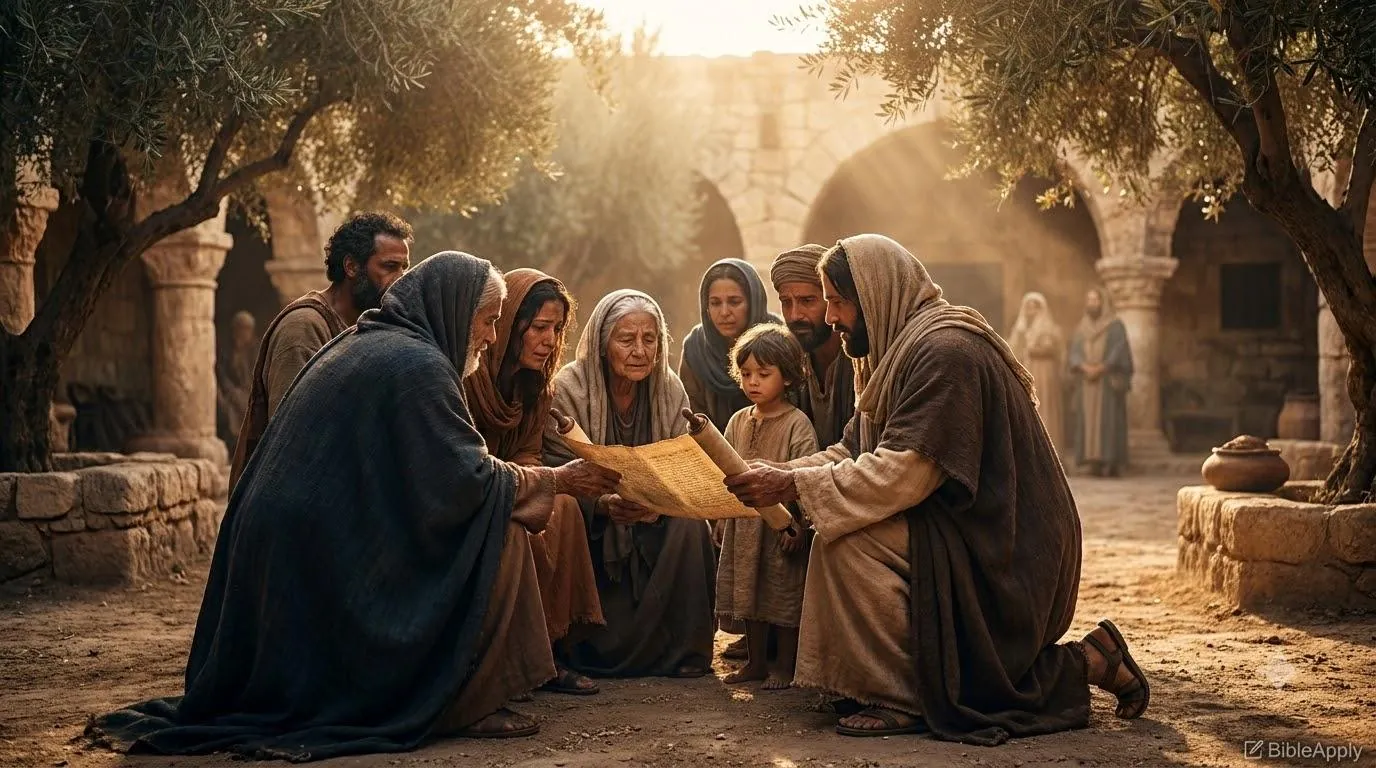
To grasp the depth of the gospel, we must look to the original language of the New Testament. The English word “gospel” comes from the Old English god-spell, meaning “good story” or “good news.” This translates the Greek word euangelion (εὐαγγέλιον).
In the first-century Greco-Roman world, euangelion was a political term. When an emperor ascended to the throne or an army won a decisive victory, heralds proclaimed the euangelion. It announced a reality that had already taken place.
In the Greek translation of the Old Testament, the root word describes God returning to Zion as King to save His people.
“How beautiful upon the mountains are the feet of him who brings good news, who publishes peace, who brings good news of happiness, who publishes salvation, who says to Zion, ‘Your God reigns.’” (Isaiah 52:7, ESV)
When New Testament writers adopted euangelion, they made a subversive claim. They announced that the true King of the universe had arrived. The gospel is the royal announcement that Jesus Christ is Lord and Savior.
The Four Pillars of the Gospel
The gospel is a vast reality, but it can be understood through four foundational pillars. These form the narrative arc of Scripture and the core of Christian belief.
1. God: The Holy Creator
The gospel begins with God. The Bible opens with the truth that God created the heavens and the earth (Genesis 1:1). As the Creator, He possesses absolute authority over everything He has made.
God is perfectly holy, meaning He is entirely set apart from sin. His goodness, justice, and righteousness are flawless.
“This is the message we have heard from him and proclaim to you, that God is light, and in him is no darkness at all.” (1 John 1:5, ESV)
Because God is completely holy, He cannot overlook evil. To do so would make Him an unjust judge. He requires perfect obedience to His moral law.
2. Man: The Fall and the Depth of Sin
God created humanity in His own image to enjoy fellowship with Him. However, the first humans, Adam and Eve, chose to rebel. This rebellion is what the Bible calls sin.
Sin is not merely making mistakes; it is cosmic treason. The consequence of this rebellion is devastating. The entire human race inherited a corrupted nature bent towards selfishness.
“For all have sinned and fall short of the glory of God.” (Romans 3:23, ESV)
Sin has infected every part of our being. Because of our sin, we are alienated from God, spiritually dead, and facing His righteous judgment. No amount of good works or religious rituals can bridge the gap between a holy God and sinful humanity.
3. Christ: The Substitute and the King
What we could not do for ourselves, God did for us in the person of His Son, Jesus Christ.
“But God shows his love for us in that while we were still sinners, Christ died for us.” (Romans 5:8, ESV)
Jesus lived the perfect life of obedience that we failed to live. He never sinned and perfectly fulfilled the law of God. Yet, He willingly went to the cross.
On the cross, Jesus acted as our substitute. The justice we deserved for our sin was poured out upon Him. He took our guilt and bore our punishment.
“For our sake he made him to be sin who knew no sin, so that in him we might become the righteousness of God.” (2 Corinthians 5:21, ESV)
This is the great exchange: He takes our sin, and we receive His perfect righteousness. Three days later, God raised Jesus from the dead. The resurrection proves that Christ’s sacrifice was accepted and death had been defeated.
4. Response: Repentance and Faith
The announcement of this good news demands a response. God commands all people to repent and believe the gospel. Salvation is received as a free gift of grace.
The required response involves two actions:
- Repentance: This means a change of mind that leads to a change of direction. It involves turning away from our sin, acknowledging our guilt, and abandoning attempts to save ourselves.
- Faith: Biblical faith is deep, personal trust. It means transferring the weight of your soul onto Jesus Christ alone for your salvation.
“For by grace you have been saved through faith. And this is not your own doing; it is the gift of God, not a result of works, so that no one may boast.” (Ephesians 2:8-9, ESV)

The Cosmic Scope of the Gospel
We often think of the gospel purely in terms of individual salvation. However, the biblical vision is much grander. The gospel is about the restoration of the entire cosmos.
Christ’s victory on the cross defeated sin, death, and the spiritual powers of darkness. The gospel announces that God is making all things new. When Christ returns, He will eradicate sin, suffering, disease, and death. He will establish new heavens and a new earth.
Addressing Common Misconceptions
The gospel often faces significant hurdles from skeptics and from within the church itself. Understanding these misconceptions is vital for grasping the true nature of the good news.
“The gospel means just being a good person.”
This is a pervasive distortion that turns Christianity into a self-improvement project. If the gospel were simply about being a good person, Jesus would not have needed to die. The true gospel states explicitly that you cannot be good enough. Your only hope is the righteousness of Christ credited to you.
“A loving God wouldn’t require a blood sacrifice.”
This objection misunderstands both love and justice. True love does not ignore evil. God’s wrath is His holy opposition to the sin that destroys His creation. The cross demonstrates both God’s perfect justice and His unfathomable love.
“The gospel guarantees health and wealth.”
The “prosperity gospel” is a heresy that twists salvation into a formula for earthly success. Jesus promised His followers exactly the opposite (John 16:33). The gospel promises the enduring presence of God and an eternal inheritance, even amidst profound earthly suffering.
3 Practical Applications
Understanding the gospel is meant to radically transform every aspect of our lives. Here are three takeaways for living in light of the gospel.
1. Preach the Gospel to Yourself Daily
The gospel is the foundation of the Christian life. When you fail, sin, or feel the crush of guilt, do not run to self-justification. Run back to the cross. Remind yourself that your standing before God is based entirely on Christ’s perfect performance.
2. Extend Grace and Forgiveness
We are grievous sinners who have been forgiven an infinite debt by God’s sheer grace. This destroys our pride and our right to hold grudges. The gospel compels you to look at those who wrong you through the lens of the cross.
3. Live with Fearless Mission
The gospel frees us from the exhausting pursuit of trying to build our own kingdom. Because our identity is secure in Christ, we are liberated to live fearlessly for Him. We become ambassadors of the King, eager to share the royal announcement of what Jesus has done.