

Quick Answer: Scripture indicates we will retain our memories in heaven, but our perspective will be radically transformed. We will perfectly understand and agree with God’s justice, and His immediate presence will wipe away all grief.
Wondering if we will remember unsaved loved ones in heaven is an agonizing question. The joy of eternal life can feel overshadowed by the fear that a child, spouse, or friend won’t be there.
When we lose someone who rejected the gospel, theology becomes deeply personal. It’s natural to ask how heaven can be joyful if we know someone we love is eternally separated from God.
We place a massive emphasis on family bonds. Our identities are inextricably woven into our earthly relationships. The idea of an eternity where those bonds are severed—or remembered with debilitating grief—seems to contradict a promised paradise. People ask about this out of a desperate need to reconcile God’s perfect love with the sharp pain of human loss.
If heaven promises “no more tears” (Revelation 21:4), how does God achieve this? Does He wipe our memories clean, erasing the people who shaped our lives? Scripture points to a different answer. God won’t erase our past; He will transform our minds and hearts to align perfectly with His.
A Pastoral Note: The hardest conversations I have are with grieving parents who know their child rejected the faith. There is no quick fix for that kind of gut-wrenching pain. I don’t give them neat theological platitudes. I just cry with them, point them to a God who understands suffering, and remind them that we can trust His justice and mercy more than our own understanding.
The Biblical Evidence for Heavenly Memory
To answer this, we need to know if we keep our memories in eternity at all. Scripture indicates our memories aren’t destroyed in the afterlife. Instead, they are clarified and perfected.
The Parable of the Rich Man and Lazarus
In Luke 16:19-31, Jesus provides a sobering glimpse into the afterlife. The rich man, tormented in Hades, clearly remembers his earthly life. Abraham tells him:
“Child, remember that you in your lifetime received your good things, and Lazarus in like manner bad things; but now he is comforted here, and you are in anguish.” (Luke 16:25)
The rich man also remembers his five living brothers and begs for someone to warn them. Memory and relational awareness clearly remain intact across the threshold of death.
The Martyrs in Revelation
Revelation 6:9-11 describes martyred saints gathered under the heavenly altar. They cry out:
“O Sovereign Lord, holy and true, how long before you will judge and avenge our blood on those who dwell on the earth?” (Revelation 6:10)
These glorified saints are in heaven, yet they distinctly remember their earthly lives. They remember the injustices they suffered and know their murderers are still unpunished.
The Judgment Seat of Christ
The Apostle Paul teaches about the future judgment of believers:
“For we must all appear before the judgment seat of Christ, so that each one may receive what is due for what he has done in the body, whether good or evil.” (2 Corinthians 5:10)
An accounting of our lives requires memory. It wouldn’t make sense to be evaluated if we had no recollection of our actions. We will remember our earthly lives perfectly.
Examining the “Divine Amnesia” Theory
Many believers struggling with this weight cling to Isaiah 65:17, hoping for what some call “divine amnesia”:
“For behold, I create new heavens and a new earth, and the former things shall not be remembered or come into mind.” (Isaiah 65:17)
At first glance, this sounds like God will erase memories of unsaved loved ones to ensure our happiness. But the Hebrew text paints a different picture.
The Hebrew word for “remembered” (zakar) means calling something to mind in a way that affects your present actions or emotions. When God says He will remember our sins no more, He isn’t claiming ignorance. He’s stating He won’t hold those sins against us.
In Isaiah 65:17, the promise isn’t a deleted hard drive. The “former things”—sorrows, sins, and brokenness—will simply no longer cast a shadow over the joy of the new creation. They won’t cause grief, anxiety, or despair.
Erasing memories would alter our identities. To erase a mother, father, or friend would mean erasing parts of our own spiritual formation. Our continuity of self requires continuity of memory.
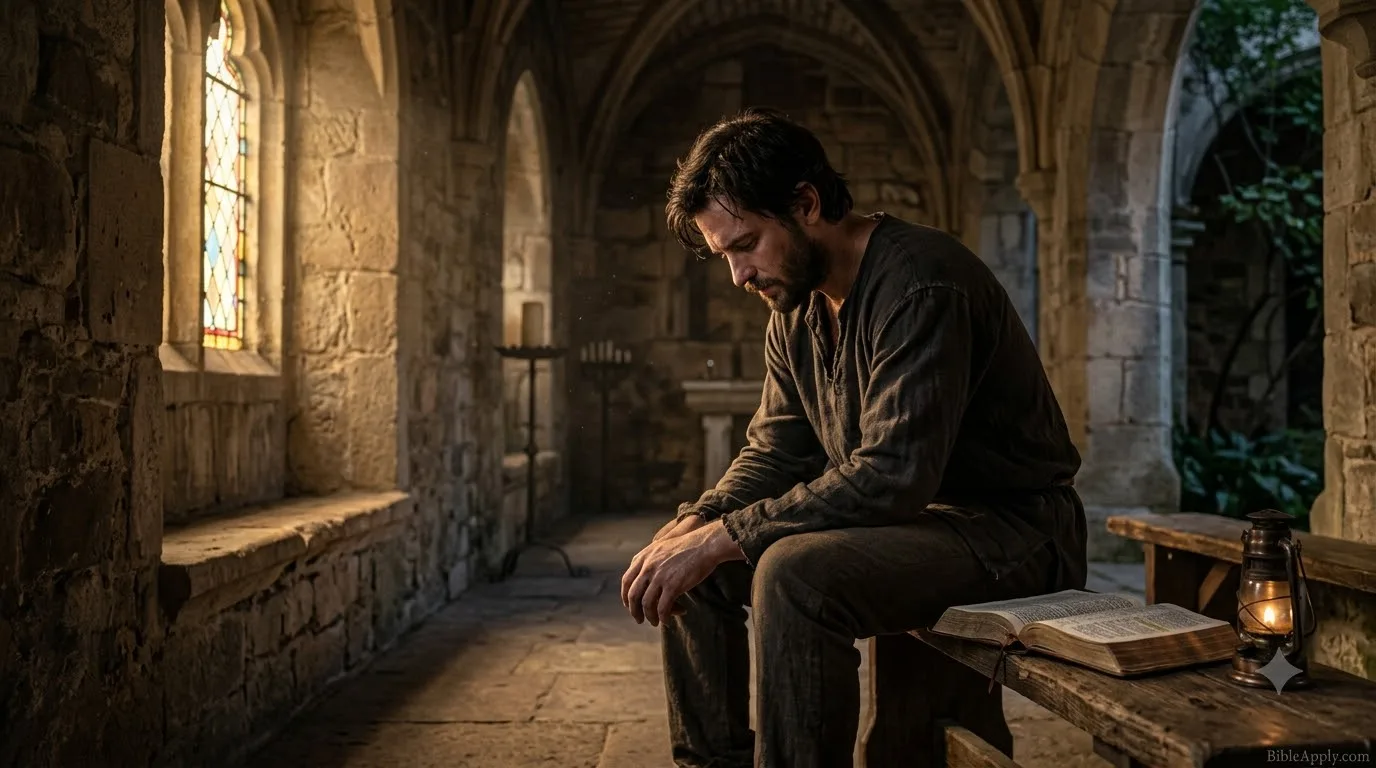
The Transformed Perspective of the Glorified Saint
If we retain our memories, how can we experience perfect joy while knowing certain loved ones aren’t in heaven? The answer lies in how our perspective will change.
Perfect Alignment with God’s Holiness and Justice
Right now, our view of sin and justice is limited by our fallen nature. We often view unsaved loved ones through the lens of human affection, minimizing their rebellion against God and ignoring the role of the Holy Spirit in opening blinded eyes.
In heaven, we will be perfectly glorified (1 John 3:2). Our minds and affections will perfectly align with God’s.
When we see God’s unvarnished holiness, we will understand the true horror of sin. We will see that God’s condemnation of the unrepentant is just. We will vindicate His justice and praise Him for it, just as the saints do in Revelation 16:5-7.
The Reordering of Loves
In our earthly state, our loves are disordered. We frequently love created things—family and spouses—more than the Creator. This is the essence of idolatry.
In heaven, our loves will be perfectly reordered. We will love God supremely. Every other love will be correctly subordinated to Him.
Our primary identity will no longer be “mother,” “brother,” or “friend,” but eternally “child of God.” We will be so united to God’s will that we won’t experience sorrow over those in hell, because that would imply disagreeing with God’s justice.
Understanding the Tragedy of Free Will
C.S. Lewis famously suggested that there are two kinds of people: those who say to God, “Thy will be done,” and those to whom God says, “Thy will be done.”
In heaven, our understanding of human rebellion will be absolute. We will recognize that those in hell preferred their own sin to submitting to God.
We will see that they are eternally rejecting God. Seeing their unyielding rebellion, our hearts won’t ache for a reconciliation they vehemently oppose.
The Wiping Away of Tears
Revelation 21:4 offers a cornerstone promise of comfort:
“He will wipe away every tear from their eyes, and death shall be no more, neither shall there be mourning, nor crying, nor pain anymore, for the former things have passed away.”
The Greek word for “wipe away” (exaleiphō) means to obliterate or wipe completely clean. It doesn’t say tears won’t happen, or that God flips a switch in our brains to prevent crying.
It says He will wipe them away. This evokes a loving Father tenderly wiping the face of a weeping child. It’s an active, intimate comfort. When we first arrive in heaven and feel the shock of what might have been, we won’t get cold theology. We will be met by the incarnate Christ.
The phrase “passed away” means their oppressive power has departed. The historical facts remain, but their capacity to cause mourning is gone. The comfort of His presence will permanently dry our tears.
Addressing Common Objections
“I couldn’t be happy if I knew my child or spouse was in Hell.”
This objection highlights the beautiful depth of human love. But it projects our earthly limitations onto our eternal state.
Right now, our happiness is deeply tied to human relationships. In glory, our capacity for joy will be anchored entirely in God. Seeing God face-to-face will be infinitely satisfying.
“God is love, so He wouldn’t allow us to suffer that memory.”
God is love (1 John 4:8), but His love is balanced by His justice and holiness. God doesn’t shield us from reality with illusions or amnesia.
He redeems reality and gives us the grace to view it properly. Our memories won’t be sources of suffering, but monuments to God’s justice and grace.
3 Practical Applications
This reality isn’t meant for theological debate. It should alter how we live today.
-
Let eternity fuel evangelism. If people’s eternal destinies are at stake, it should change our priorities. The discomfort we feel shouldn’t drive us to universalism. It should drive us to our knees in prayer and to their doors with the gospel, knowing today is the day of salvation.
-
Trust God’s perfect character. God is more loving, merciful, and just than we could ever be. As Genesis 18:25 asks, “Shall not the Judge of all the earth do what is just?” When we face heartbreaking situations, we must trust His unchanging character. He will do absolutely no wrong.
-
Keep an eternal perspective on relationships. Love family and friends deeply, but don’t make them ultimate idols. Our greatest joy, deepest hope, and primary identity must be rooted in Jesus. By loving God most now, we prepare our hearts for eternity.